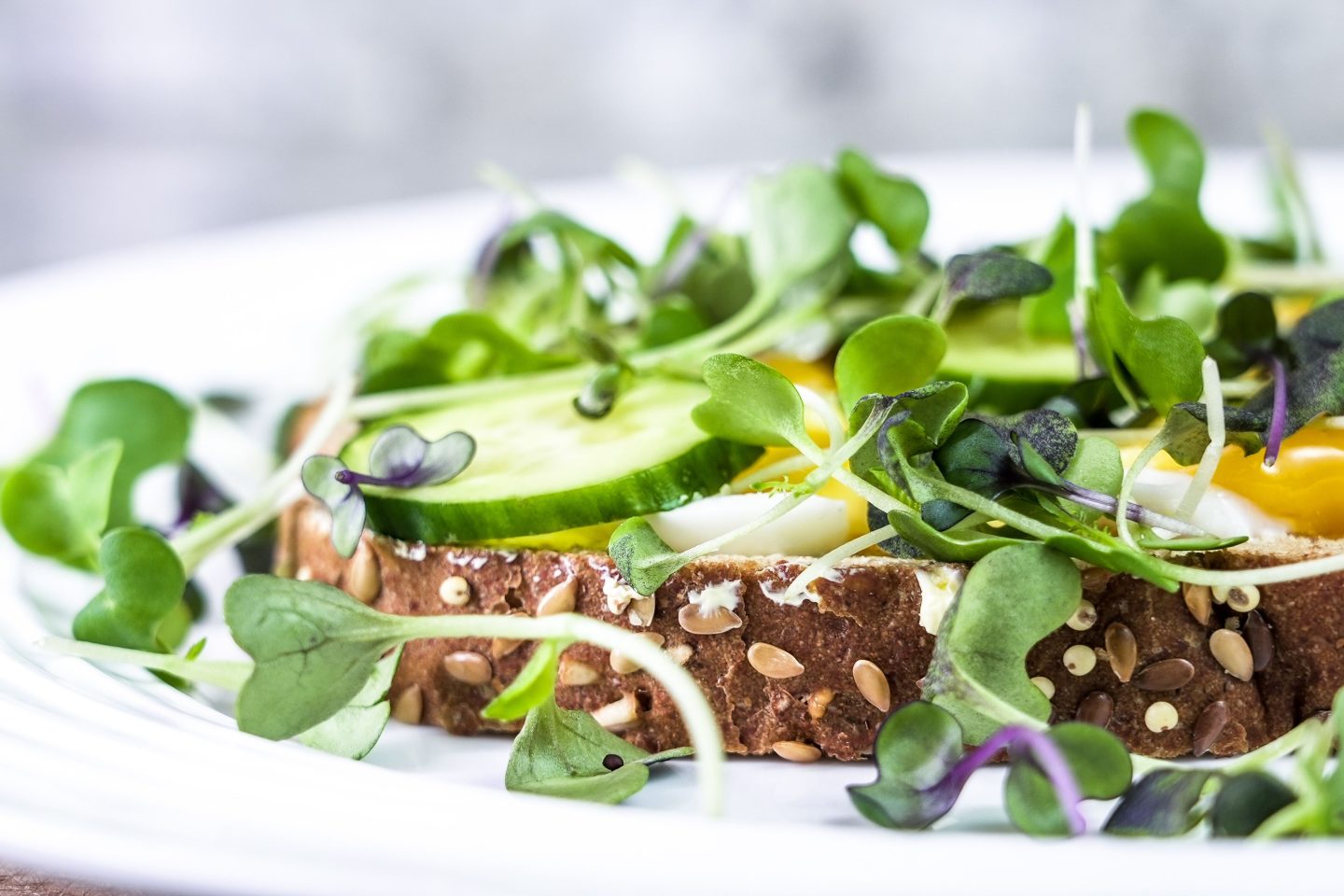
Edible Art From the Danish Table
Picture yourself at a table in a small, warm restaurant in Copenhagen. In front of you sits a piece of dark, dense rye bread. Underneath everything, a layer of butter so thick that when you bite into it, you’ll see your own teeth marks. On top, carefully arranged layers of herring, egg, dill, and onion, like a small, edible painting looking back at you from the plate, daring you to figure out where to start. This is smørrebrød, and once you try it, you’ll probably never be satisfied with an ordinary sandwich again.
Some dishes chase trends. This one keeps reinventing the trends around itself while staying exactly the same. Order it today, and you’ll get almost exactly what your great-grandparents would have gotten a hundred years ago: the same bread, the same butter, the same care given to every layer. Smørrebrød is one of the rare proofs that something can stay unchanged for a century and still win you over because of it.
From a Worker’s Plate to a National Symbol
If you’d lived in a Danish village a few centuries ago, you’d probably have used bread the same way: as a practical base for last night’s leftovers, something you’d toss out once the meal was done. Over time, someone noticed that the bread itself, soaked in everything that had sat on it, was simply too good to throw away.
If you’d worked in a factory in the 19th century, during Denmark’s industrialization, this meal would have saved you during a short lunch break: dense rye bread (rugbrød), filling and easy to carry. By the end of that century, that same working-class meal, shaped by French culinary influence, began turning into a real culinary form, with layers, homemade sauces, and refined garnishes.
By the end of the century, a wine bar in Copenhagen (in 1888) started serving smørrebrød to its guests alongside their drinks, and that idea grew, over several generations, into a serious culinary discipline, with menus that at one point listed nearly two hundred variations. Today, when you sit down at the table, you’re eating by the same rules that generation set, rules that have never changed since.
Make It Yourself: A Recipe That Hasn’t Changed in a Century
You don’t need anything exotic to make real smørrebrød. You just need patience, good bread, and the willingness to build each layer properly. Here’s exactly how.
What you’ll need (makes 4):
- 4 slices of rugbrød (dense, dark Danish rye bread)
- 100 g butter, room temperature
- 200 g pickled herring in oil, cut into strips (or, if you prefer, smoked salmon, cooked ham, or egg)
- 1 red onion, thinly sliced into rings
- 2 hard-boiled eggs, sliced
- Fresh dill, for garnish
- Salt, pepper, and capers to taste, for extra bite
How to make it:
- Spread each slice of rugbrød with a thick layer of butter. In Denmark, this is called “tandsmør,” or “tooth butter,” because it should be thick enough that you can see your own teeth marks after the first bite.
- Arrange the herring strips (or whatever topping you chose) over the butter so they cover the whole slice, with no gaps.
- Add the egg slices and onion rings.
- Sprinkle with fresh dill, and capers, salt, and pepper if you like.
- Serve immediately, with a fork and knife. Smørrebrød is traditionally never eaten with your hands, since it’s piled too high to survive the first bite intact.
This basic formula, bread, a thick layer of butter, a main topping, and two or three carefully chosen garnishes, stays the same whether you’re making the simplest version or the most extravagant one. It won’t let you down.
Where to Try It, in Copenhagen or Anywhere in Denmark
If you want to try smørrebrød where the tradition is still most alive, you don’t have to look far. Here’s where I’d send you.
- Restaurant Schønnemann (Instagram). One of the oldest restaurants in Copenhagen, open since 1877, with over 140 types of aquavit and a long list of classic smørrebrød varieties, including its famous herring. Sit down, order, and let the staff guide you through the menu if you get lost in the choices.
- Restaurant Kronborg (Instagram). Named after Hamlet’s castle, tucked into the basement of one of the city’s oldest buildings, with more than 40 varieties of smørrebrød and its own list of aquavit. They even won “Herring of the Year 2026” at the Hirtshals Fish Festival, if you need one more reason to try theirs.
- Slotskælderen hos Gitte Kik (Instagram). If you love herring, you’ll have eight different kinds to choose from here. Try at least three.
- Aamanns (Instagram). If you want tradition with a modern twist, seasonal and local ingredients, this is where you’ll find it.
- Café Petersborg (Instagram). One of the oldest restaurants in the city, period, with a history going back to 1746. Walk in, sit down, and let yourself soak in old Copenhagen.
The Unusual Things You Have to Try, and the Stories Behind Them
Smørrebrød isn’t just bread and toppings. Every well-known variety carries its own story, and those stories are often stranger and more fun than you’d expect from what looks like a serious Danish dish.
Stjerneskud, or “Shooting Star.” Order this, and you’ll get a tower of breaded and poached fish, shrimp, caviar, and mayonnaise, shaped to look like a rocket taking off from the plate. The dish was invented in 1962 as a tribute to Yuri Gagarin during his visit to Copenhagen, in honor of the first man in space. If you like your food to come with a story, this is the one.
Dyrlægens natmad, or “The Vet’s Midnight Snack.” It sounds like the least appetizing name on the menu, and yet it’s one of the most beloved classics: liver pâté, corned beef, aspic, and raw onion. The name dates back to the 1920s, named after a regular customer at a Copenhagen restaurant, a respected veterinarian who looked after the horses of the royal stables. Order it when you want something that sounds odd but surprises you with its taste.
Sol over Gudhjem, or “Sun Over Gudhjem.” Smoked herring topped with a raw egg yolk that, once you pierce it with a fork, spills over the rest of the sandwich like a small sun. It’s named after the fishing town of Gudhjem on the island of Bornholm, known for its smoked fish.
Rejer i trængsel, or “Shrimp in a Crowd.” Somewhere along the way you’ll find this too: a pile of fifty hand-peeled shrimp stacked into a pyramid on a slice of white bread. The name literally means the shrimp are packed in so tight they have no room to breathe.
A Record as Long as Your Arm. One Copenhagen smørrebrød menu was once over 140 centimeters long, with nearly two hundred variations, and made it into the Guinness Book of World Records as the longest menu in the world. Ask to see it, even if you end up ordering just one dish.
If you only take one piece of advice from this section: when you see a name that sounds strange or means nothing to you, order exactly that. Danes rarely give strange names to ordinary dishes.
Why Nothing Has Changed, and Why You Should Be Glad
The same bread, the same thick layer of butter, the same care given to every layer. That’s not a lack of imagination. It’s a deliberate choice to preserve something that already works perfectly.
Next time you sit down with smørrebrød in front of you, know that you’re eating the same thing someone ate a hundred years ago, in the same place, with the same care. Once you try it, you’ll probably understand why no one ever tried to change it.